

If you found this article through a search, you probably mined Pi. Maybe for years. You opened the app most mornings, you tapped the lightning bolt, you got friends in with your invite code, and somewhere along the way you stopped telling people about it because the jokes got old. You deserve a straight answer, not a sneer from someone who never held it and not a hope thread from someone who holds too much. Here is mine.
Yes, Pi is worth something. It trades at about $0.126 as I write this. That is real money on real exchanges, and it already makes Pi more legitimate than ninety percent of the projects it gets lumped in with. It is also a fresh record low, set on June 5 and broken again this week, down from $2.98 in the first days of trading in February 2025. The question that actually matters is not whether Pi is worth anything today. It is whether the structure of the token allows it to be worth more, and that question has a specific, uncomfortable answer.
First, what Pi is not
Pi is not a Ponzi, and I want to be precise about this because I write about actual Ponzis for a living. A Ponzi takes your deposit and pays earlier depositors with it. Pi never took a deposit. There was no yield, no redemption promise, nothing that could fail in that particular way. People who call it a straight scam are being lazy, and if you have ever argued with them, you were right to be annoyed.
What Pi built instead was an audience. Tens of millions of people who proved their identity through KYC, showed up daily, and recruited their own replacements. The team’s April update claims 18.1 million fully verified users and 16.7 million mainnet migrations. Those are their numbers, not independently audited, but even discounted heavily, almost no crypto project has ever assembled a verified user base that large. That base is a genuinely valuable asset.
It is just worth being clear about whose asset it is. The tap on your screen never mined anything. Consensus runs on a small set of nodes using a variant of Stellar’s protocol, and your phone was never one of them. The daily tap kept you coming back, and you coming back is what the network had to sell. The product was never really the token. It was the audience. You and I can hold both of these thoughts at once: the project is real, and the people who mined it were the resource, not the customer.
The supply problem, in plain numbers
Now the part that hope threads skip. The maximum supply is 100 billion tokens. About 10.7 billion circulate. PiScan’s schedule shows roughly 163 million more unlocking this month alone, around 5 million a day, and as it happens the single largest daily release of the month, close to 16 million tokens, lands today, June 11. Across all of 2026 the schedule comes to about 1.21 billion tokens.
Every one of those tokens belongs to someone whose cost basis is zero dollars and six years of patience. Patience runs out. PiScan’s tagged exchange wallets now hold around 545 million PI, and the flow into them has been steady. People who got something for free will sell it at almost any price, because any price is a win against zero. That is not a moral failing. It is arithmetic, and it repeats every month on a published schedule.
Against that, who buys? Binance and Coinbase never listed it. There is no institutional holder. Daily volume across every venue runs in the single digit millions. There is one strange exception worth mentioning honestly: a single wallet, tagged GAS…ODM on PiScan, has accumulated over 400 million tokens and keeps buying through the decline. Nobody has confirmed who owns it. I have not been able to find out either, and I would treat any thread claiming to know as a guess. One large mystery buyer is interesting. It is not a market.
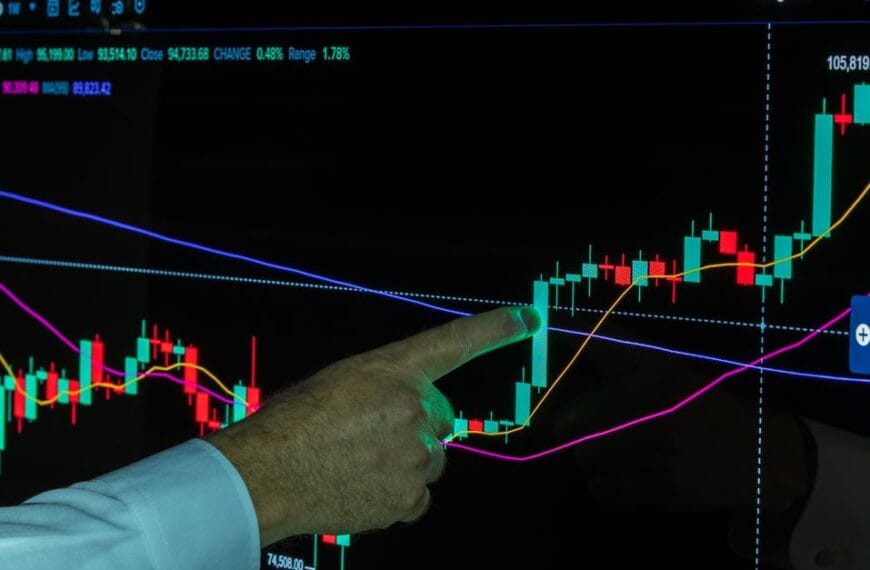
So the structure is this. Scheduled sellers with zero cost basis on one side. Thin, retail, hope driven demand on the other. The chart from February 2025 to now is just that structure, drawn.
The fair version of the bull case
The chain is real and the team keeps building. Mainnet launched in February 2025 after years of doubt that it ever would. Protocol upgrades v23 through v25 have shipped this year on a published roadmap. A gaming arm released a developer roadmap in May. None of this is fake, and a project this size quietly shipping through a 96 percent drawdown is rarer than you would think.
But shipped software is not the same as token demand. The bull case requires something inside the ecosystem to give millions of people a reason to acquire Pi rather than a reason to finally exit it. That thing does not exist yet. It might someday. The unlocks, meanwhile, arrive on a calendar whether it does or not.
The number that settles it, either way
I do not think you should take my word for any of this, so here is the test I will hold myself to. Pi ended 2025 around twenty cents. If the price reclaims $0.20 and holds it through one full monthly unlock cycle, absorbing the scheduled supply without making a new low, then real demand exists at a scale I cannot currently find, my read is wrong, and I will publish a follow up saying exactly that. Watch the same number I am watching. It will tell both of us the truth before any influencer does.
And if you are holding because six years of taps feels too expensive to walk away from, one last honest thing. The time is spent either way. The only question the market will ever ask you is about the tokens, and now you know what it is asking.
The reason those earlier Pi and mobile-mining promotions remain visible is explained in I Wrote the Articles This Publication Exists to Warn You About.