

Most people should use both. Keep only the amount you expect to spend, swap or connect to apps in a hot wallet. Keep meaningful savings behind a separate cold wallet or hardware signer that never approves unfamiliar contracts. The choice is not which wallet is universally better. It is which failure you can afford for each job.
What is the difference between a hot wallet and a cold wallet?
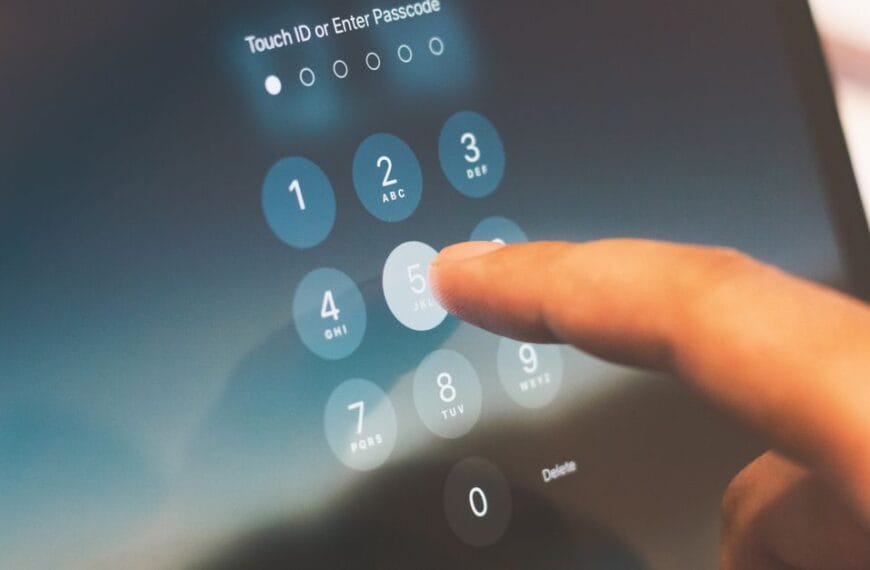
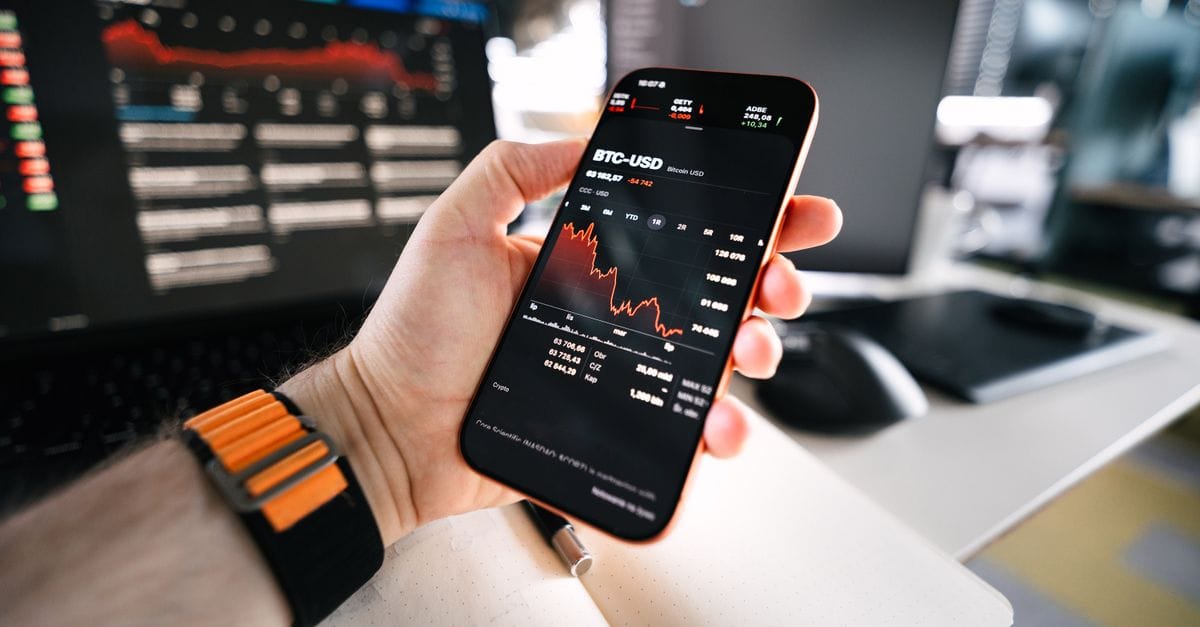
A hot wallet keeps private keys in software on an internet-connected phone, browser extension or computer. Common types include mobile wallets, desktop wallets and browser-extension wallets. That makes a hot wallet fast for payments, swaps, games and DeFi. It also means the device displaying the transaction may be the same device storing the key and approving it.
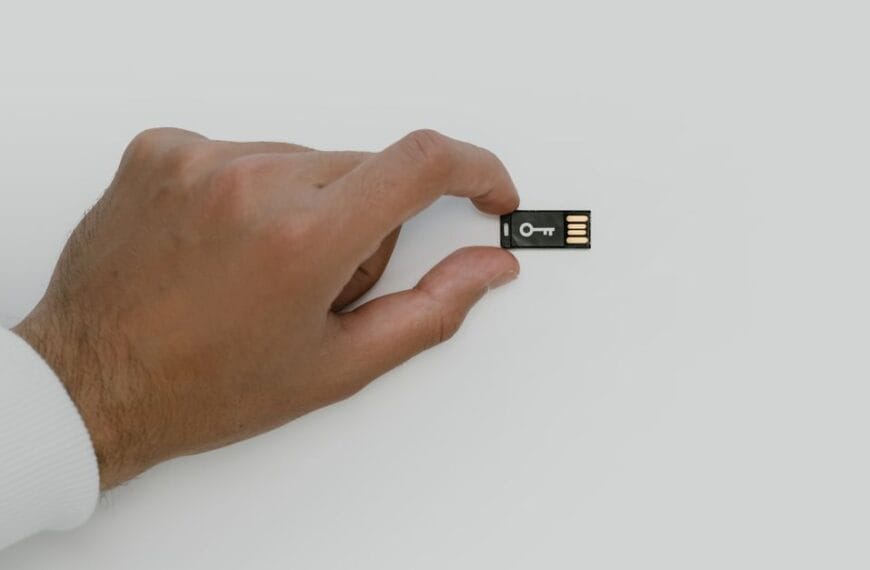
A cold wallet keeps the signing key outside the everyday online environment. The most practical form is a hardware wallet: a dedicated signing device that holds the private key and signs only after you approve a transaction on its own screen. An online computer can prepare and broadcast the transaction without receiving the key.
Cold does not mean the wallet can never communicate with an online device. A hardware signer can use USB, Bluetooth, NFC, QR or MicroSD while still isolating the key. If you are considering air-gapped signing, the security question is what crosses that boundary and what the signer can show you before approval.
Paper wallets and permanently offline computers are also described as cold storage, but they introduce their own generation, backup and spending risks. For most individuals comparing hot vs cold wallets, the useful comparison is software wallet versus hardware signer.
Hot or cold is separate from custodial or self-custody
Hot and cold describe key exposure. Custodial and self-custody describe who controls the key. A self-custody mobile wallet can be hot. A crypto exchange can keep customer assets across internal hot and cold systems while the customer still controls only an account, not the signing key. A hardware wallet normally puts the signing decision with its owner.
This distinction prevents a common category error: moving from an exchange account to a mobile wallet changes custody, but it does not create cold storage. Moving from a mobile wallet to a hardware signer changes key exposure as well.
The threat models are different
| Job | Hot wallet | Hardware/cold wallet |
|---|---|---|
| Frequent low-value transactions | Fast and convenient | Often unnecessary friction |
| Meaningful long-term savings | Key shares the phone/computer attack surface | Better key isolation if backup and verification are sound |
| DeFi and unfamiliar contracts | Easy to use, easy to drain | Can still approve a malicious contract |
| Recovery after device loss | Depends on backup or cloud design | Usually seed/passphrase or multi-share backup |
| Physical attacker | Phone security and app design matter | PIN, secure element, passphrase and storage practices matter |
CISA has recommended hardware wallets in campaigns where malware targeted cryptocurrency keys. That is a sound defence against key theft from a compromised general-purpose computer. It is not protection against approving the wrong destination, revealing the recovery phrase, installing counterfeit software or signing a malicious smart-contract action.
The companion guide to how hardware wallets are actually hacked or compromised separates those risks into recovery-phrase theft, malicious approvals, supply-chain substitution, firmware flaws and physical extraction.
The wallet that touches a dApp is already doing a different job
Every token approval and contract signature adds dependencies you do not control: the front end, DNS, wallet extension, contract, token and the text your signer is able to decode. A hardware wallet can stop the private key from leaving the device while still faithfully signing a terrible instruction.
That is why “I use a hardware wallet for DeFi” is not a complete security strategy. The better design is separate seeds:
- Activity wallet: only enough value for the current task; connected to dApps; replaceable after suspicious activity.
- Savings wallet: receives assets; rarely sends; never signs arbitrary contracts; backup and recovery tested.
- Exchange balance: only the amount needed for open orders or near-term conversion.
The separation limits blast radius. It does not require pretending the activity wallet is safe. It accepts that the wallet doing the clicking is the wallet most likely to encounter a bad instruction.
Cold storage can fail quietly
A hardware device may sit untouched for two years while its paper backup fades, its passphrase is forgotten, its owner dies without leaving instructions, or its software compatibility changes. None of those failures announces itself.
Cold storage therefore needs maintenance: verify the backup without exposing it, understand the recovery standard, keep official software available, and run a recovery drill before the balance becomes difficult to replace. Our guides to seed phrases and passphrases and wallet-company shutdowns explain the two most misunderstood parts of that process.
A practical allocation rule
Do not allocate by an arbitrary percentage. Allocate by consequence.
- If losing the amount would be an annoyance, convenience can dominate.
- If losing it would alter your year, isolate it from daily apps.
- If losing it would alter your family’s future, a single device and a single backup location are no longer enough design.
Four questions people usually mean by “which is better?”
Are cold wallets 100% safe?
No. Cold storage reduces remote key-extraction risk, but it can still fail through a stolen or exposed backup, a malicious transaction, physical theft, forgotten recovery details or a process nobody else can execute.
Is a browser or mobile wallet a hot wallet?
Usually, yes, when its private keys are stored or used on the internet-connected device. If the app is paired with a hardware signer, the app can prepare the transaction while the private key remains on the hardware device. The signer’s screen—not the browser window—must be the final source of truth.
Is an exchange account a hot wallet?
Not in the sense that matters to the customer. The exchange may operate both hot and cold wallets internally, but the customer normally has a custodial account and does not control the signing keys. That is a custody decision, not merely a wallet-temperature decision.
Can you use hot and cold wallets together?
Yes. Use separate seeds: a replaceable hot wallet for daily activity and a cold wallet for savings. Sending between them is safer than connecting the savings seed to every app the activity wallet touches.
My judgment: a hot wallet is not a failed cold wallet, and a cold wallet is not a premium hot wallet. One is an operating account; the other is a vault. The dangerous setup is not choosing the “wrong” one. It is asking one seed to absorb every risk in your crypto life.
Use the Hardware Wallet & Self-Custody Guide as the main decision hub for device selection, setup, backup and recovery. For individual devices, see Best Hardware Wallets in 2026: Choose by Threat Model, Not Brand Hype.
If the savings amount is still on a platform, use a test-first process to move crypto off an exchange without losing it. The transfer is not complete until the destination wallet, network and recovery path have all been verified.
Primary sources
- CISA: AppleJeus cryptocurrency malware advisory
- CISA: TraderTraitor campaign targeting private keys
- BIP-32: hierarchical deterministic wallets
- Ethereum.org: accounts and private keys
- Bitcoin Developer Guide: wallets and private-key storage
No affiliate link is used in this article. Educational information, not personalised financial advice.