

“Open source” and “secure element” are often presented as rival security philosophies. They answer different questions. Open code asks whether outsiders can inspect how a wallet is supposed to behave. A secure element asks how difficult it is to extract secrets from hardware in someone’s possession.
Affiliate disclosure: This article contains tracked BitBox and Ledger links. Cryptophia Research may earn a commission from a qualifying purchase at no extra cost to you. Commercial relationships do not determine the conclusion. Read the Affiliate Disclosure and How We Research.
A buyer choosing between them is not choosing trust versus no trust. The buyer is choosing where trust sits, which claims can be checked, and which failures matter most.
Open source makes review possible, not automatic
Published firmware lets researchers inspect code, reproduce bugs, propose fixes and compare changes over time. Projects such as Trezor and BitBox publish major parts of their firmware. That transparency is valuable because security claims do not have to depend entirely on marketing or private audits.
But a public repository does not prove that qualified people reviewed every line. It also does not prove that the binary installed on your device was built from that source. Reproducible builds narrow that gap by allowing independent parties to compile source and compare outputs, but hardware bootloaders, signing keys and chips still remain part of the trust chain.
Closed source can protect secrets without explaining everything
Proprietary firmware and secure-element code may be unavailable because chip vendors impose nondisclosure terms or because the wallet company considers the design commercially sensitive. That does not make the product malicious. It does mean outsiders must rely more heavily on the vendor, chip certification, commissioned audits and vulnerability disclosure process.
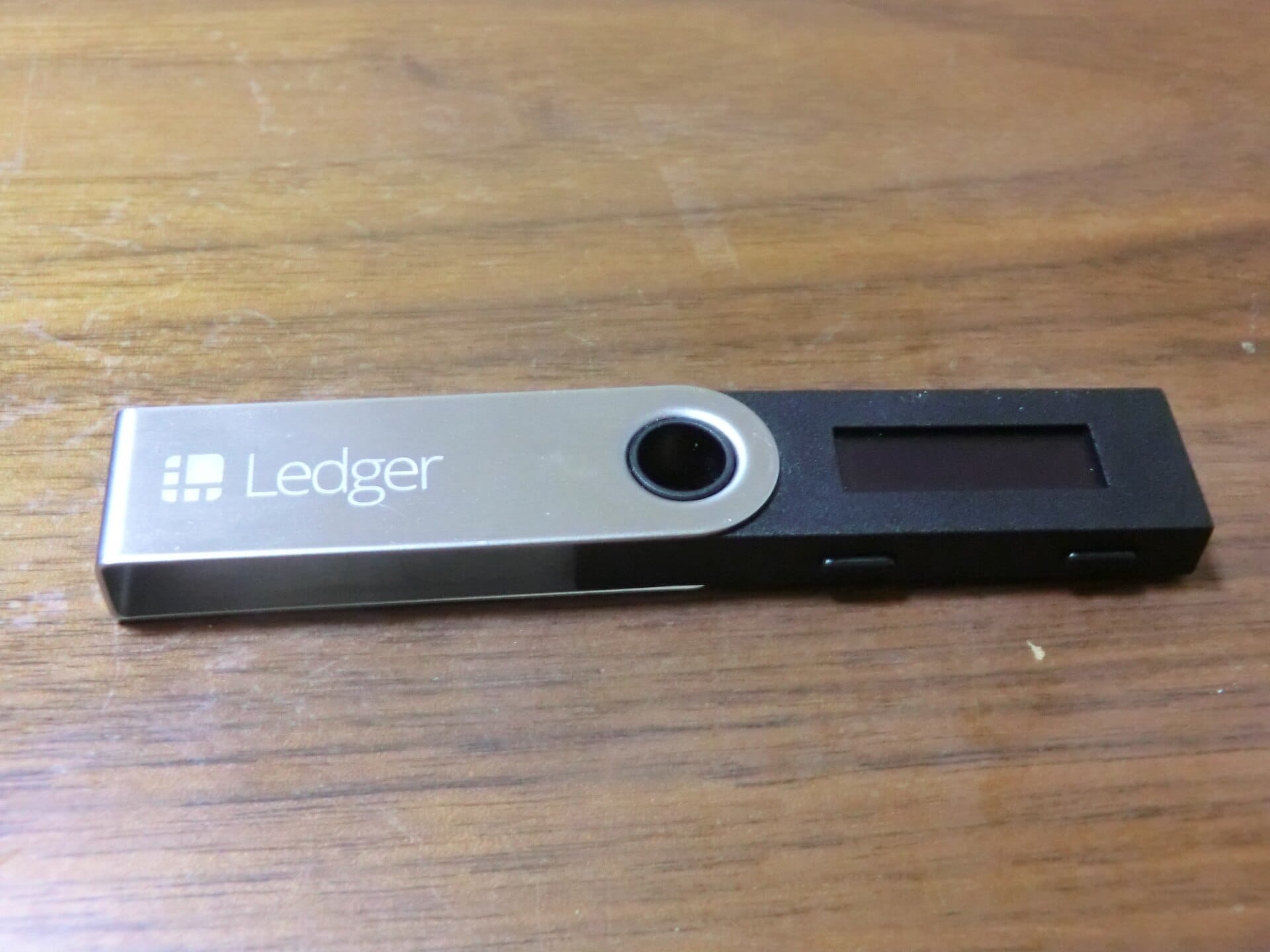
Ledger’s secure operating system is the clearest mainstream example: the company publishes device applications and some tooling, while core secure-element architecture remains proprietary. The trade is broader asset support and a hardened platform in exchange for less public inspection of the full stack. Our Ledger Flex review applies that trade-off to the device’s secure E Ink touchscreen and multi-chain workflow.
A secure element solves a different threat
Secure elements are designed to resist physical probing, fault injection and secret extraction better than ordinary microcontrollers. Certifications and vendor countermeasures raise attacker cost. They do not protect a recovery phrase photographed by the owner, and they do not guarantee that a transaction displayed unclearly is safe.
Modern designs increasingly combine a secure element with open firmware or an auditable secure element. That is not a magical best-of-both-worlds label. The interfaces between chips, the boot chain, firmware signatures and screen verification still determine what is actually protected.
Five questions matter more than the label
| Question | Why it matters |
|---|---|
| Can outsiders inspect the firmware? | Reduces dependence on vendor-only assertions. |
| Are builds reproducible? | Helps connect published source to distributed binaries. |
| What verifies firmware at boot? | Controls whether unauthorised code can run. |
| How are keys protected after physical theft? | Determines the cost and time available to an attacker. |
| Can the device clearly show transaction intent? | Limits host malware and blind-signing risk. |
A wallet can score well on one line and poorly on another. A fully open microcontroller design may be easier to inspect and easier to attack physically. A heavily certified closed chip may resist extraction while requiring stronger trust in the vendor. The right answer changes with the threat model.
Who should prefer more openness?
Bitcoin-only holders choosing between focused and multi-coin firmware should also examine PSBT interoperability, published formats and whether the workflow can outlive one vendor. Developers and technically capable users may also value the ability to verify releases or rely on independent wallets.
Openness matters most when vendor survival and unilateral control are major concerns. Our article on what happens if a hardware-wallet company shuts down explains why standards and recovery compatibility matter beyond ideology.
Who may rationally accept a more closed stack?
A multi-chain user may value a mature secure application platform, mobile integration and broad signing support more than fully public firmware. That can be a reasonable trade if the buyer understands the added vendor dependency and keeps high-risk dApp activity separate from savings.
The decision should not be “closed source is safe because banks use secure chips” or “open source is safe because the code is online.” Both arguments skip the operational layer where most users lose funds.
How this changes the buying decision
- Physical seizure is dominant: secure-element design, PIN controls and passphrase strategy move up the list.
- Vendor dependence is dominant: open firmware, standards, third-party wallet support and reproducible builds matter more.
- Frequent contract signing is dominant: screen quality and clear transaction decoding may matter more than either label.
- Recovery failure is dominant: neither architecture fixes an untested backup.
Our Best Hardware Wallets in 2026 applies these trade-offs to current devices rather than assigning an ideological score.
The trust does not disappear; it becomes visible
My judgment: open source is a strong positive because it permits scrutiny and reduces unilateral control. It is not a warranty. Closed secure elements can add real physical protection, but they ask the buyer to accept claims that cannot all be independently checked. The strongest buying decision names the unverified trust explicitly and then decides whether it matches the threat.
For the most common commercial choice, a Ledger versus Trezor comparison applies this trust model directly to current devices.