

A cold wallet is not really a product category. It is a security boundary.
The private key that authorises transactions is kept offline or isolated from ordinary internet-connected software. The asset itself stays on its blockchain. That distinction is the foundation for understanding what cold storage can—and cannot—protect.
The useful question is therefore not “Is this device cold?” It is: where can the private key be used, what information crosses the signing boundary, and what happens when the signer or backup is lost?
Cold storage is about where signing authority lives
A phone or general-purpose computer is exposed to browsers, extensions, downloads, cloud services and many other applications. Cold storage narrows that attack surface by moving the private key into a separate signing environment.
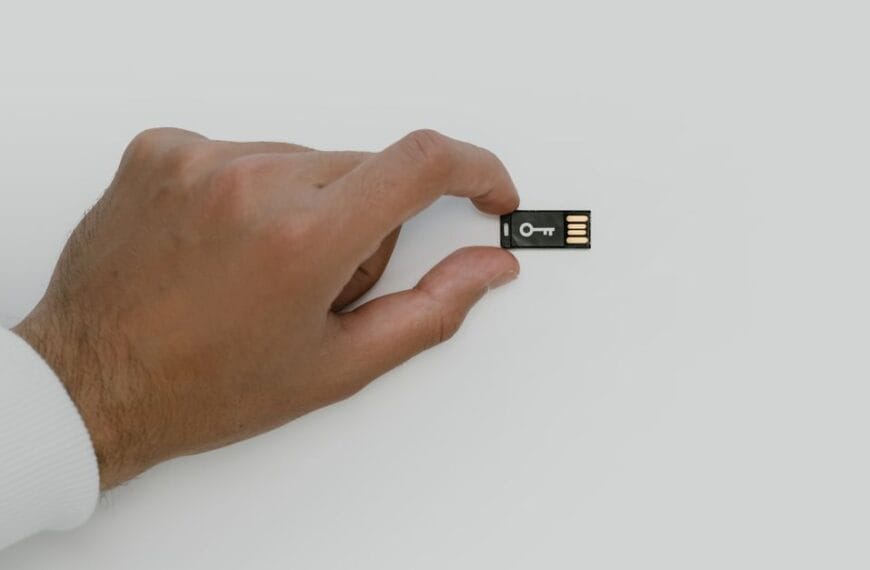
A hardware wallet, an air-gapped signer or a carefully maintained offline computer can all create that separation. The implementations differ, but the security objective is the same: transaction data may cross the boundary while the private key does not.
This is why “cold” does not necessarily mean a device is permanently disconnected. USB, Bluetooth, NFC, QR codes or removable media can carry transaction data without requiring the private key to leave the signer.
How offline signing works
- An online wallet reads blockchain data and prepares an unsigned transaction.
- The unsigned transaction is transferred to the isolated signer.
- The signer displays the destination, amount and whatever transaction details it can independently verify.
- The owner approves the request.
- The signer creates a cryptographic signature with the private key.
- The signed transaction returns to an online device for broadcast.
The key does not need to travel with the transaction. Bitcoin’s PSBT standard, BIP-174, formalises this separation for partially signed transactions. Other networks use different formats, but the same security principle applies.
What cold storage changes—and what it does not
| Layer | What cold storage changes | What remains |
|---|---|---|
| Private key | Keeps signing authority away from ordinary connected software | Backup theft, physical loss and recovery failure remain possible |
| Transaction approval | Creates a separate checkpoint before a signature exists | The owner can still approve the wrong destination or contract action |
| Blockchain or token | Nothing | Network rules, contract logic and issuer powers still apply |
| Recovery | Makes the hardware signer replaceable | The backup must remain both recoverable and protected |
This is the central distinction: cold storage reduces key exposure. It does not remove every risk attached to the asset or transaction.
Cold wallet vs hardware wallet
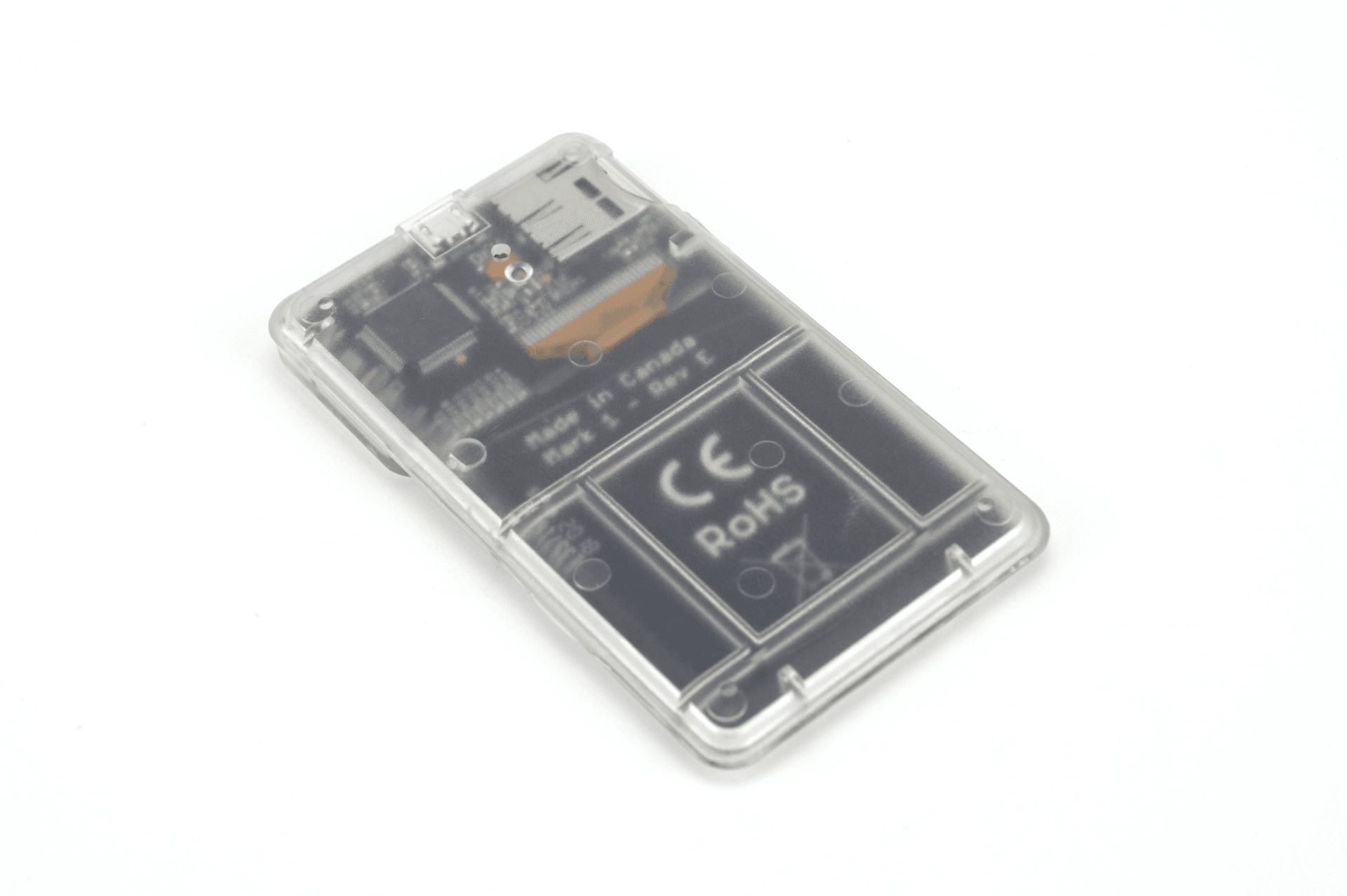
A hardware wallet is a specialised physical signer. A cold wallet is the broader security condition created when signing keys remain offline or isolated.
A hardware wallet can therefore be used as cold storage, but the terms are not identical. A hardware signer that is constantly used for experimental dApps, broad token approvals and unfamiliar contracts may still protect the key while exposing the owner to a large signing-risk surface.
The same logic applies to air-gapped wallets. Avoiding a live cable or wireless connection can reduce interfaces, but malicious transaction data can still cross an air gap. A QR code does not make a bad transaction safe.
Cold wallet vs hot wallet
A hot wallet keeps signing material on an internet-connected phone, browser or computer. The trade-off is straightforward: hot wallets reduce friction; cold wallets reduce direct remote exposure of the key.
For many users, the strongest practical design is separation of jobs:
- cold wallet: meaningful long-term savings and infrequent high-consequence transfers;
- operational hot wallet: routine payments, dApps, swaps and low-value experimentation.
The goal is not to make every transaction maximally inconvenient. It is to prevent one compromised application or careless approval from controlling the entire balance. See Hot Wallet vs Cold Wallet.
The four risks cold storage does not remove
1. Recovery-secret compromise
If someone obtains the complete recovery material and any required passphrase, the original hardware wallet may no longer matter. A cold device cannot protect a seed phrase that was photographed, uploaded or typed into an untrusted system.
2. Bad signing decisions
A signer can protect the private key perfectly and still authorise the wrong address, an excessive token approval or a hostile smart-contract call. A trusted display is useful only when the owner reads and understands what it shows.
3. Asset-level control
Self-custody gives the owner signing authority. It does not remove rules embedded in an issuer-controlled token, bridge, upgradeable contract or protocol. USDC, for example, can remain subject to issuer-level controls even when the key is held in self-custody. See Can USDC Be Frozen in a Cold Wallet?.
4. Recovery failure
A wallet nobody else can steal but the owner cannot restore is not a successful custody system. The backup is the long-lived component; the signer is replaceable.
Recovery is half of the security design
Cold-storage discussions often focus on the device because the device is visible. The recovery architecture usually determines whether the system survives years.
Before depositing meaningful value, the owner should be able to answer four questions:
- What exact material reconstructs the wallet?
- Where is that material stored, and who could discover it?
- Has recovery been tested without exposing the real secret to an online system?
- Could an authorised person understand the process if the owner were unavailable?
More complexity is not automatically more security. Passphrases, multi-share backups and multisignature can reduce defined failure modes, but they also create more information that must survive time, stress and inheritance.
The simplest recovery system that solves the actual threat is usually better than one designed to look sophisticated.
When cold storage is worth the friction
There is no universal dollar threshold. The decision should be based on consequence and use pattern.
Cold storage becomes more valuable when:
- losing the balance would materially affect your finances;
- the assets are intended to remain untouched for long periods;
- exchange failure or phone compromise would be unacceptable;
- the wallet does not need routine interaction with unfamiliar contracts;
- you can maintain and test an offline recovery process.
For a small operational balance, a reputable hot wallet may be simpler. For meaningful long-term savings, narrowing direct access to the signing key becomes increasingly valuable.
Three tests for a cold-storage setup
The key test
Can ordinary software on the connected phone or computer obtain or directly use the private key? If yes, the intended cold-storage boundary is weak or absent.
The signing test
Can the owner independently verify the destination and transaction intent before the signature is created? Key isolation without reliable verification solves only part of the problem.
The recovery test
If the signer disappeared today, could the wallet be reconstructed from a tested backup without exposing the secret to an untrusted system? If not, the setup is not operationally resilient.
The practical principle
Cold storage should narrow authority, not merely add hardware. Keep the private key outside ordinary connected software, keep long-term savings away from routine dApp activity, verify what the signer is authorising and prove that recovery works before the balance becomes important.
The asset stays on the network. The key stays behind the boundary. Security depends on what is allowed to cross between them.
If cold storage fits your threat model, compare the best hardware wallets by failure mode, then use the hardware wallet setup checklist before moving meaningful value.
Primary sources
- BIP-32: Hierarchical Deterministic Wallets
- BIP-39: Mnemonic code for deterministic keys
- BIP-174: Partially Signed Bitcoin Transactions
- Circle FiatToken design: blacklist, pause and issuer-control roles
No affiliate link is used in this article.